

Blog


Choosing the Right Lifting Sling: Round slings vs. Webbing Slings
February 26, 2024| Posted in News
When it comes to slings, there are two notable types: round slings and webbing slings. For a beginner, these may seem interchangeable.
However, there are significant differences between the two. The most common ones are in terms of weight capacity and flexibility...
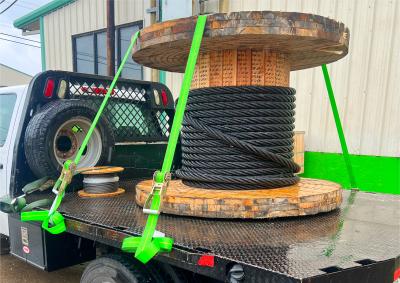
Ratchet Straps: Your Guide to Securing Cargo and Equipment
December 3, 2023| Posted in News
In cargo-securing solutions, ratchet straps are a versatile and essential tool for DIYers, truckers, and homeowners alike.

Your One-Stop Shop for Rigging Equipment and Services
October 15, 2023| Posted in News
Safe and efficient rigging solutions are more critical than ever in today's fast-paced and ever-evolving industrial landscape. From construction and manufacturing to oil and gas and transportation, businesses across various industries rely on rigging equipment and services to move and lift heavy objects with precision and accuracy...
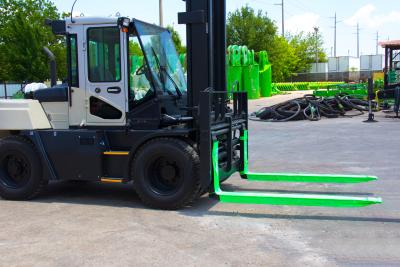
The Benefits of Using Forklift Fork Protection Sleeves
October 12, 2023| Posted in News
Forklift forks are essential components of forklifts and play a vital role in material handling operations. However, forklift forks are also susceptible to wear and damage, leading to costly repairs and downtime...
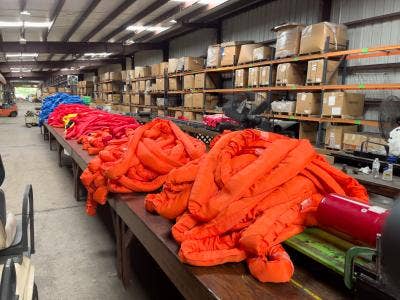
How to Safely Use Round Slings
September 23, 2023| Posted in News
Round slings are a versatile and reliable lifting tool used in various applications. However, it is essential to use them safely to avoid accidents. Here are some safety tips for using round slings...
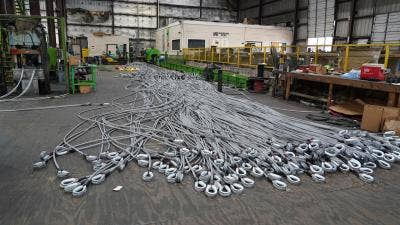
A Beginner's Guide to ASME B30.9: Safely Using Slings with Holloway
September 15, 2023| Posted in News
Slings are essential tools for lifting and moving loads in various industries. However, they can also be dangerous if not used properly. That's why it's essential to understand the guidelines outlined in ASME B30.9 ...

The Cyclops: A Safer and More Versatile Transformer Sling
September 14, 2023| Posted in News
The Cyclops is a unique double adjustable transformer sling with a fixed eye in the middle of the two adjustable eyes. This design provides a safer lifting solution by keeping the load secure even if one side of the sling becomes insecure...
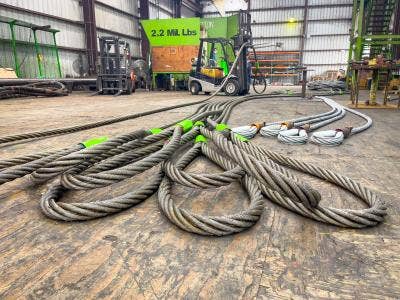
The Ultimate Guide to Lifting Slings
September 6, 2023| Posted in News
Lifting slings are essential tools for lifting and moving heavy objects. They come in various types and materials, each with its advantages and disadvantages...
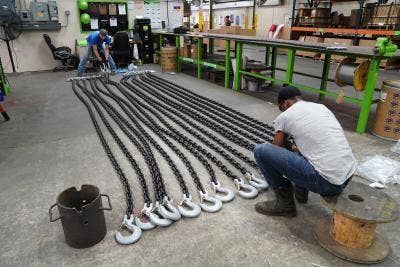
How to Choose the Right Chain Sling for Your Needs
August 31, 2023| Posted in News
Chain slings are essential lifting devices in various industries, including construction, manufacturing, and transportation.
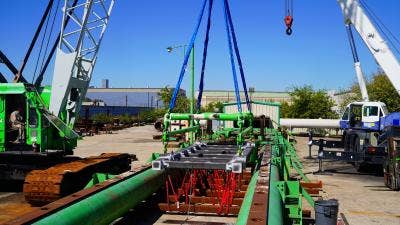
How to Choose the Right Round Slings for Your Needs
August 30, 2023| Posted in News
Round slings are a versatile and reliable lifting tool used in various applications. They are made from a single continuous loop of material, often from synthetic fibers...

Types of Sheaves and Their Applications
April 18, 2020

Different Types of Hoists and Their Applications
March 7, 2023

Proof Load Testing and Why It is Required
April 22, 2021

Choosing the Right Lifting Sling: Round slings vs. Webbing Slings
February 26, 2024

Ratchet Straps: Your Guide to Securing Cargo and Equipment
December 3, 2023

Your One-Stop Shop for Rigging Equipment and Services
October 15, 2023

The Benefits of Using Forklift Fork Protection Sleeves
October 12, 2023