

The Benefits of Using Forklift Fork Protection Sleeves


Forklift forks are essential components of forklifts and play a vital role in material handling operations. However, forklift forks are also susceptible to wear and damage, leading to costly repairs and downtime
Forklift fork protection sleeves are a simple and effective way to protect forklift forks from damage. These sleeves are made from durable materials, such as high-tenacity polyester or rubber, and they fit over the forks to provide protection.
The different ways in which forklift forks can be damaged
Forklift forks can be damaged in several ways, including:
- Impact: Forklift forks can be damaged by impact with other objects, such as pallets, racks, or other forklifts.
- Abrasion: Forklift forks can be damaged by abrasion, which occurs when they rub against surfaces such as concrete or metal.
- Corrosion: Forklift forks can be damaged by corrosion caused by exposure to moisture and chemicals.
The consequences of forklift fork damage
Damage to forklift forks can have several negative consequences, including:
- Reduced performance: Damaged forklift forks can reduce the performance of forklifts, making them less efficient and more difficult to operate.
- Increased maintenance costs: Damaged forklift forks may require more frequent maintenance and repairs.
- Safety hazards: Damaged forklift forks can pose a safety hazard, increasing the risk of forklift accidents.
How forklift protection sleeves can help to protect forklift forks and extend their lifespan
Forklift protection sleeves can help to protect forklift forks from damage in many ways:
- They provide a barrier between the forks and other objects, reducing the risk of impact damage.
- They protect the forks from abrasion by reducing friction between the forks and surfaces.
- They protect the forks from corrosion by keeping moisture and chemicals away from the metal.
By protecting forklift forks from damage, forklift protection sleeves can help to extend the lifespan of the forks and reduce maintenance costs.
Examples of real-world applications where forklift protection sleeves have been used to improve safety and efficiency
Forklift protection sleeves are used in a wide range of industries, including:
- Warehousing
- Manufacturing
- Construction
- Distribution
- Retail
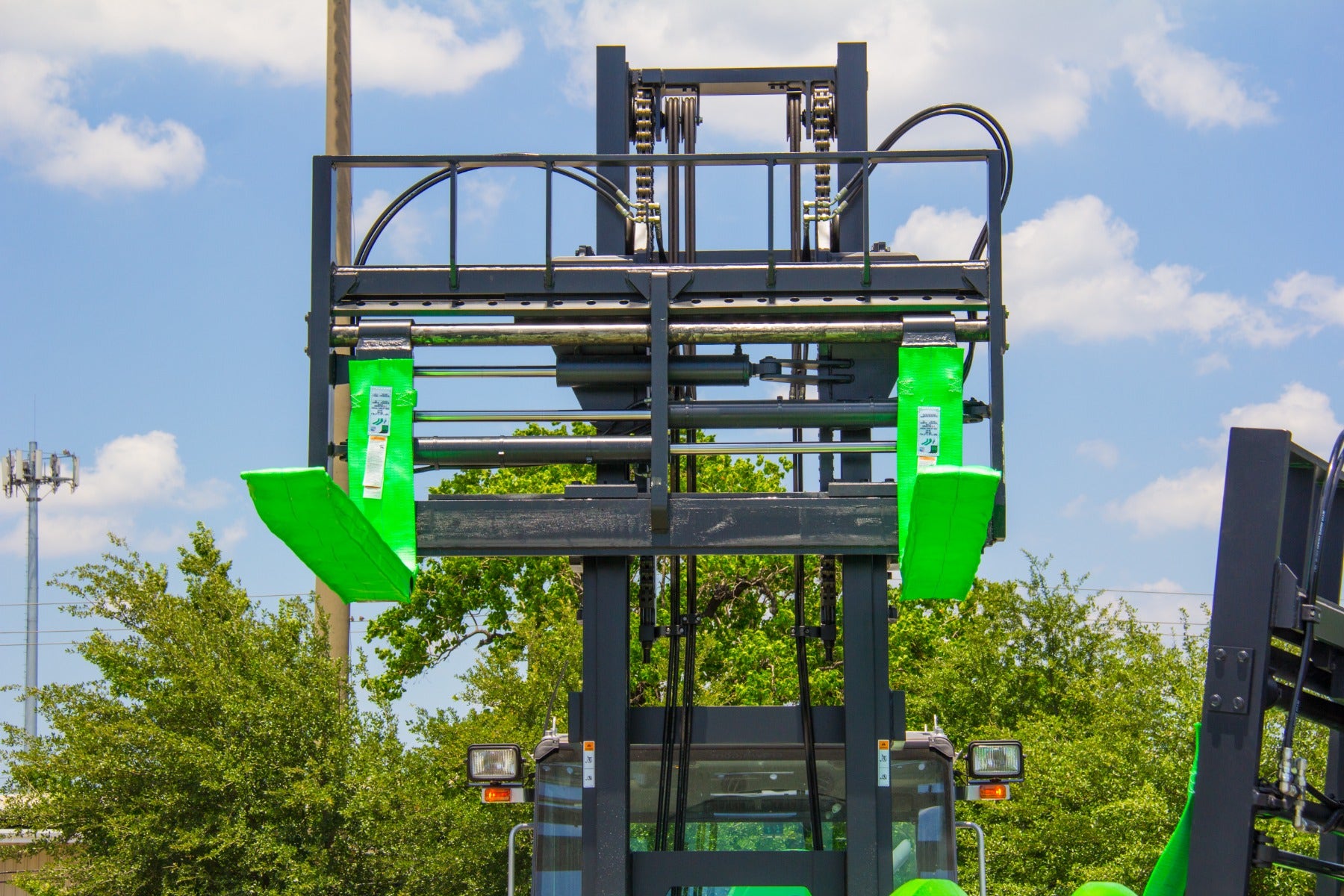
Here are a few examples of how forklift protection sleeves have been used to improve safety and efficiency in real-world applications:
- A warehouse manager used forklift protection sleeves to reduce the number of forklift fork accidents in his warehouse. The sleeves helped to protect the forks from impact damage, which reduced the risk of the forks breaking and causing accidents.
- A manufacturing plant used forklift protection sleeves to extend the lifespan of its forklift forks. The sleeves helped to protect the forks from abrasion and corrosion, which increased the lifespan of the forks by up to 50%.
- A construction company used forklift protection sleeves to improve the efficiency of its material handling operations. The sleeves helped reduce the time spent on forklift maintenance, which allowed the company to move more materials in less time.
Forklift protection sleeves are a simple and effective way to protect forks from damage and extend their lifespan. They can also help to improve safety and efficiency in material handling operations.
If you are looking for a way to protect your forklift forks and improve your material handling operations, then forklift protection sleeves are a great option.
Are you ready to buy forklift protection sleeves? You can do it by filling out the online contact form or by calling a sales representative at +1 888 496 4700. We have a wide variety of products available, and our team of experts can help you choose the right ones for your needs.

Types of Sheaves and Their Applications
April 18, 2020

Different Types of Hoists and Their Applications
March 7, 2023

Proof Load Testing and Why It is Required
April 22, 2021

Choosing the Right Lifting Sling: Round slings vs. Webbing Slings
February 26, 2024
Ratchet Straps: Your Guide to Securing Cargo and Equipment
December 3, 2023

Your One-Stop Shop for Rigging Equipment and Services
October 15, 2023

The Benefits of Using Forklift Fork Protection Sleeves
October 12, 2023