Chain Sling Securement: Mastering the Essentials for Safe Lifting

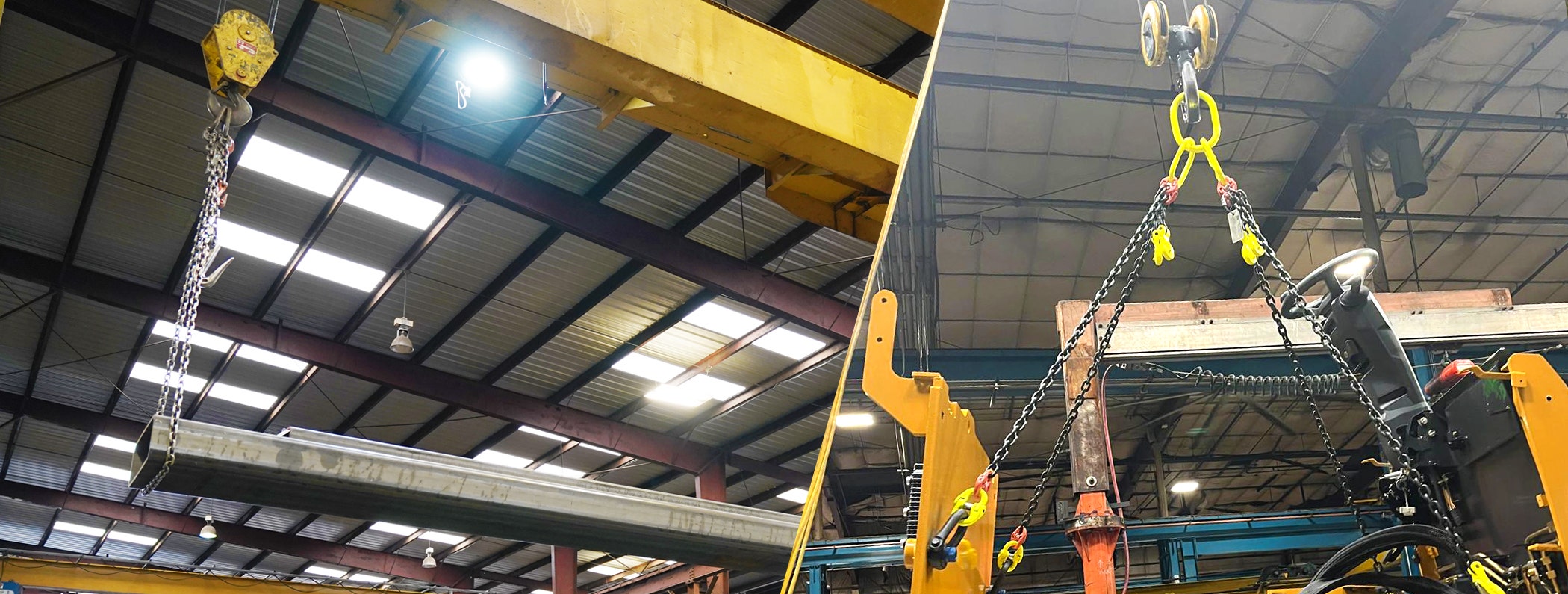
Chain slings, valued for their strength and load-handling capabilities, play a key role in heavy-duty lifting operations. However, even the strongest chain sling can pose risks if not adequately secured. Engineers, riggers, and lifting professionals must understand how to secure these slings correctly for safe and smooth operations.
This guide outlines the key aspects of securement and provides practical insights and best practices for ensuring the safety and efficiency of your lifting operations.
1. Selecting the Right Chain Sling
Choosing the right chain sling is the first and most important step. The selection process is based on the load, environment, and specific lifting needs. Key factors to consider include:
- Load Characteristics: Understanding the load’s weight, size, shape, and center of gravity helps pick the right sling capacity and configuration.
- Chain Grade and Load Capacity: Chain slings are classified by grades, such as Grade 80 or Grade 100. Each grade has a specific load limit, so matching the chain to the load’s weight is vital. For guidelines on selecting the appropriate grade, refer to standards like ASME B30.10.
- Sling Configuration: Single-leg, double-leg, and multi-leg slings serve different purposes. For example, a multi-leg sling may be required for loads that need extra stability.
- Environmental Factors: Temperature, chemicals, and moisture can affect chain performance. Make sure the selected sling is compatible with the environmental conditions of the job site.
2. Pre-Use Inspection
Before every lift, inspecting the chain sling to identify any potential issues is important. This step can prevent accidents and downtime caused by damaged equipment. Inspections should focus on:
- Chain Links: Check for signs of bending, cracking, elongation, or twisting. Damaged links should be removed from service immediately.
- Surface Wear: Look for surface wear, corrosion, and pitting. Even minor damage can affect the chain’s strength.
- Attachments: Inspect hooks, rings, and other fittings for wear, damage, or loose connections. Ensure components are in good working condition.
- Markings and Labels: Check if the chain sling has clear markings, including its working load limit (WLL) and manufacturer details. Illegible or missing markings could signal unauthorized modifications or excessive wear.
Refer to inspection standards from organizations like OSHA and LEEA for further details on proper inspection techniques
3. Chain Sling Securement Techniques
Practical rigging and securement techniques are essential to maintain load control and safety. This step directly affects lifting stability. Here are key methods for proper securement:
- Rigging Best Practices: Always choose stable lifting points on the load. Position the load so that it stays balanced throughout the lift. Use padding or edge protectors to prevent chains from directly contacting sharp edges.
- Hitch Selection: The way the chain sling attaches to the load matters. Vertical, choker, and basket hitches have different load capacities. Sling angles affect the working load limit, and improper angles can reduce lifting capacity.
- Load Control: To keep the load steady, tag lines may be used to guide and control its movement. Slow and steady lifting motions reduce the risk of swinging or sudden shifts.
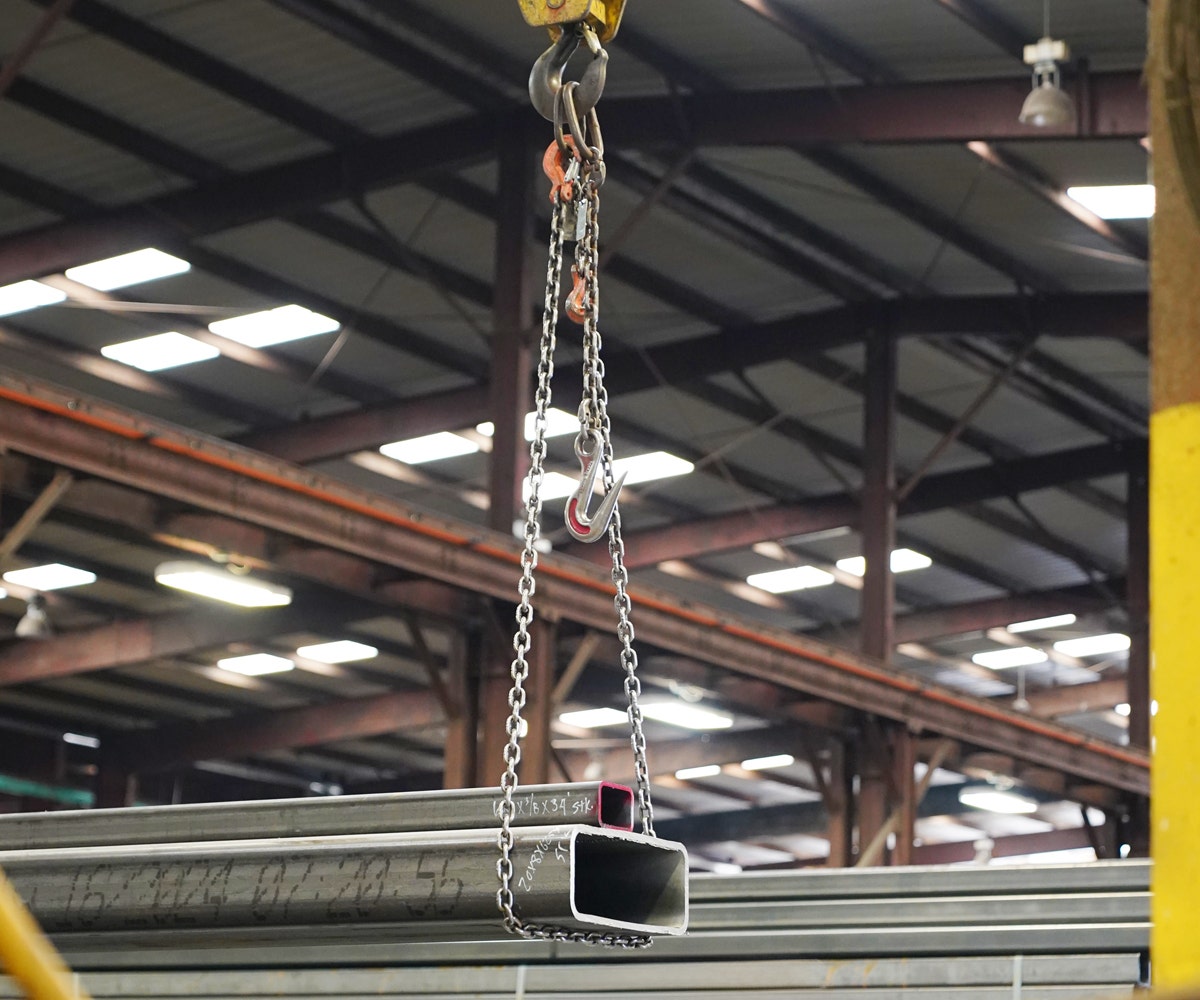
4. Securement Tools and Devices
The right tools and accessories can make a significant difference in lifting safety. Some of the most used securement devices include:
- Hooks: Hooks should have latches to prevent accidental disengagement. Choose hooks that match the chain size and load capacity.
- Shackles: Shackles link the chain sling to the load. Use shackles< with a proper working load limit, and always secure them with bolts or pins to avoid accidental release.
- Chain Binders: Binders tighten and lock the chain, keeping the load stable during transport or lifting. Binders should be used following manufacturer guidelines to prevent over-tightening, which could damage the chain.
5. Practical Applications of Chain Sling Securement
Chain sling securement is critical for lifting heavy loads in various situations. Securement techniques must be adjusted to fit the specific scenario, Whether heavy machinery, long cargo, or lifting in tight spaces. Here’s how securement is applied in different contexts:
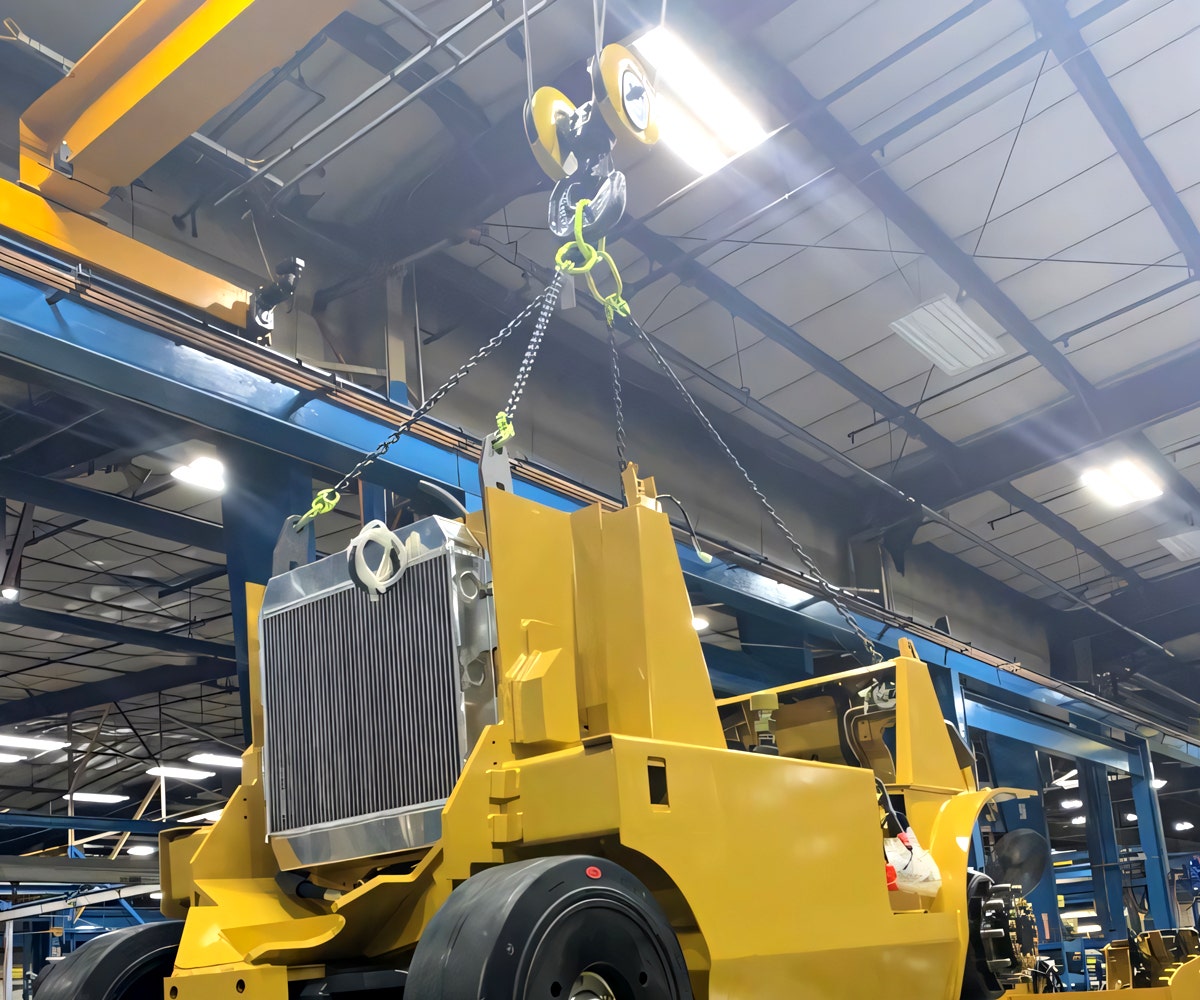
- Heavy Equipment Lifting: Lifting large equipment requires proper load distribution to prevent tipping. Multi-leg chain slings are often used to keep the load balanced.
- Long Loads: Multiple chain slings may be needed to maintain stability when lifting long, bulky objects. Additional binders and edge protectors are helpful in these cases.
- Lifting in Confined Spaces: Limited working space can restrict the rigging method used. Compact chain slings and careful rigging practices can help operators handle tight-quarters lifts.
6. Industry Standards and Worker Training
Compliance with industry standards and regulations is non-negotiable. Familiarize yourself with ASME B30.10, which covers the safe use of chain slings. Ensure all personnel involved in lifting operations receive proper training in chain sling safety and rigging procedures.
Safe lifting requires following industry guidelines and training workers in proper rigging techniques. Workers should be familiar with standards like ASME B30.10, which provides complete guidance on chain sling selection, use, and inspection. Regular training helps everyone understand the importance of proper securement.
Training should cover:
- Correct use of chain slings, hooks, and shackles
- How to inspect chain slings before use
- Safe lifting practices, including how to manage load swing
The impact of angles on lifting capacity
Conclusion
Chain sling securement is critical to safe and efficient lifting operations. By understanding and diligently applying the principles outlined in this guide, you can minimize risks and ensure successful outcomes. Whether you're an engineer or a rigger, prioritizing safety and adhering to best practices is essential for everyone's well-being.