Comprehensive Inspection Guide for Alloy Chain Slings

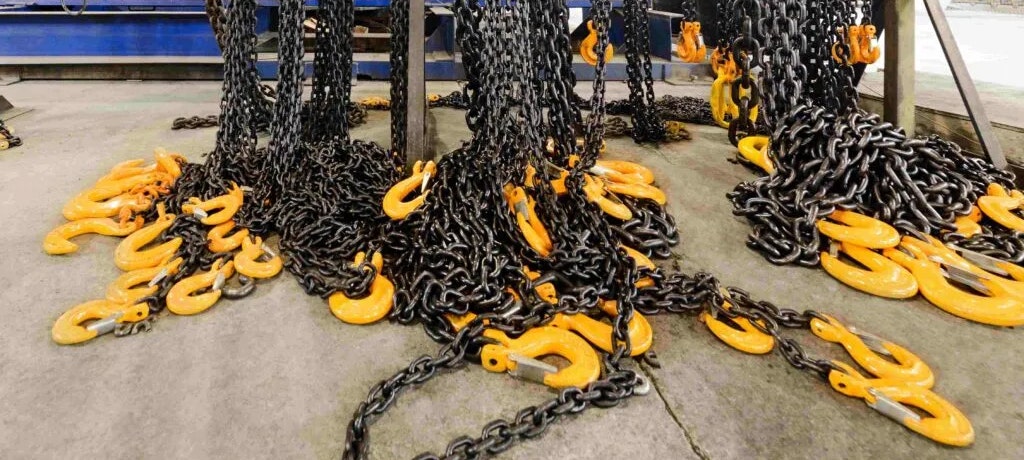
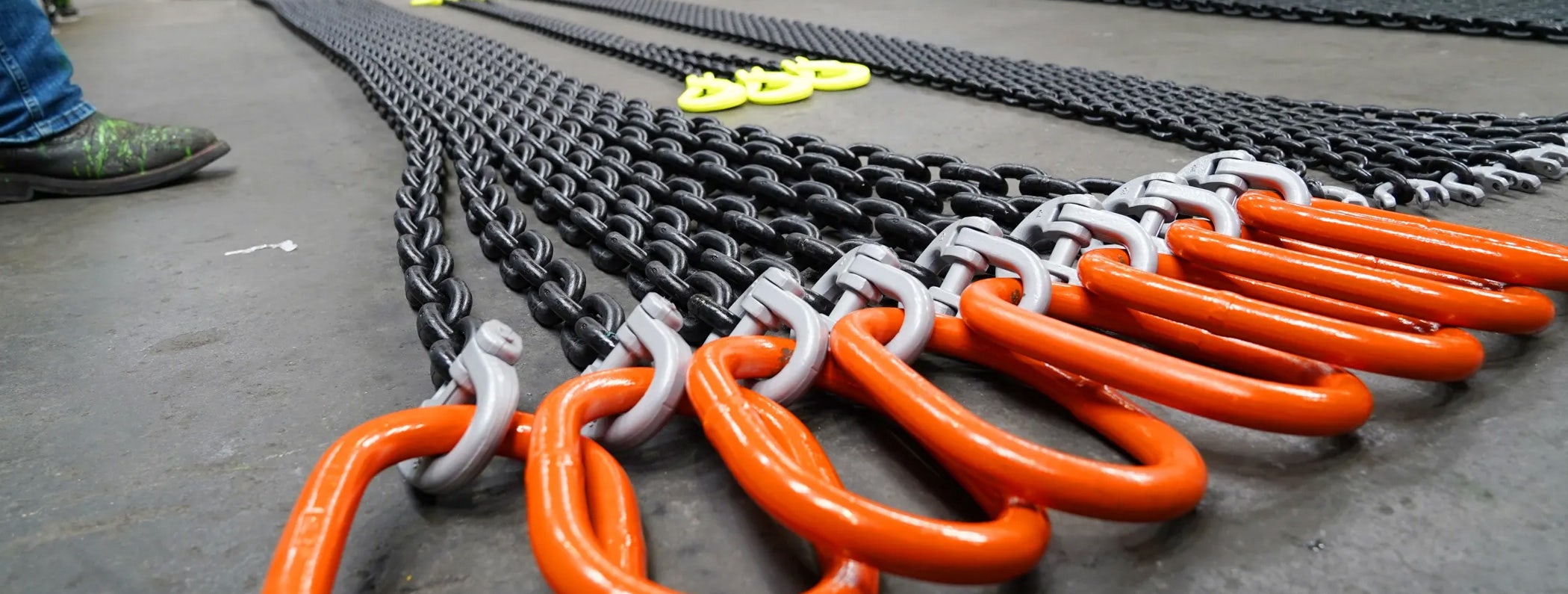
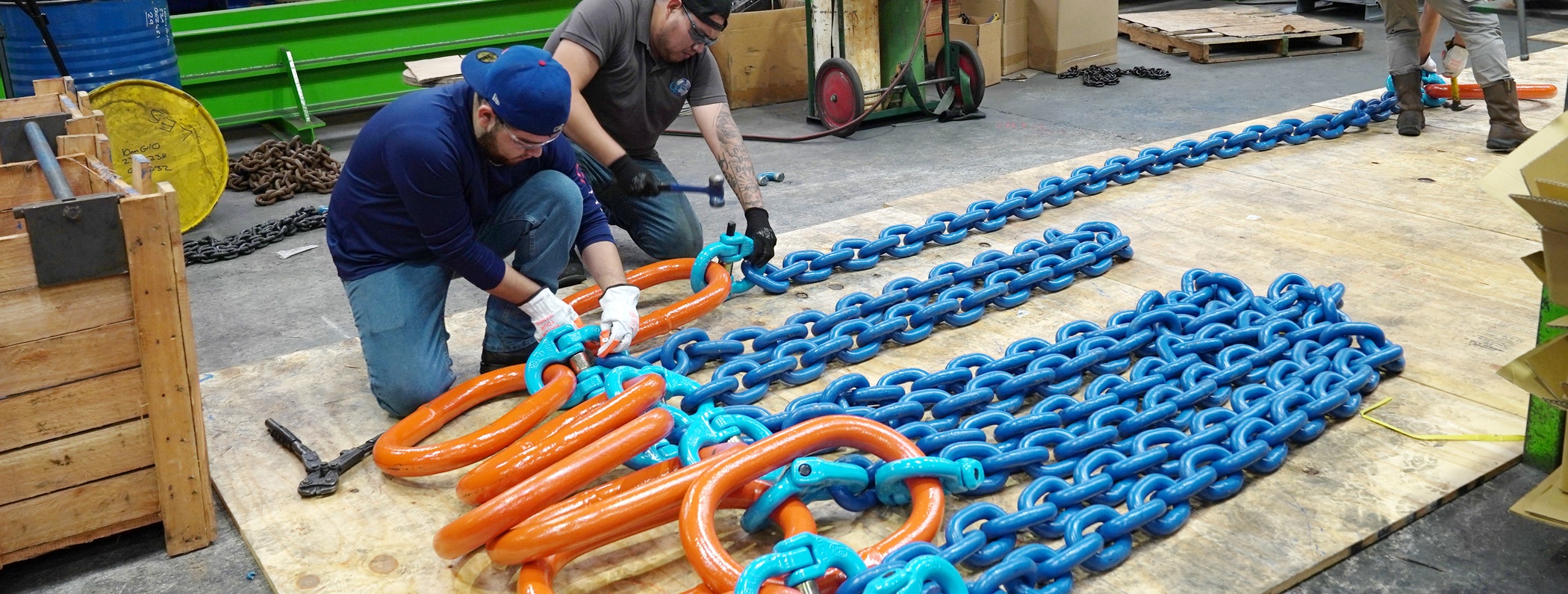
Alloy chain slings are widely used in heavy lifting, crane rigging, and transporting heavy goods. They play a vital role in industries such as power, manufacturing, mining, and petroleum. Known for their strength and long lifespan, alloy chain slings can last 20-30 years with proper care. However, regular inspection is crucial to maintain safety for operators and prevent equipment failure.
How Often Should Chain Slings Be Inspected?
Inspections are a key part of chain sling maintenance. There are three main types of inspections that should be performed by qualified individuals.
1. Initial Inspection
This inspection takes place when you purchase a new alloy chain sling. It involves checking the identification tags, capacity, and specifications. A link-by-link visual inspection can help identify any manufacturing defects before using the sling
2. Frequent Inspection
Frequent inspections are conducted by a competent person, typically someone with rigging experience. This inspection should take place before each job to spot any signs of wear, damage, or deformities. Some companies schedule daily checks, but inspecting before use is a safer practice.
3. Periodic Inspection
Periodic inspections are carried out by a certified inspector. The frequency of this inspection depends on how the sling is used. According to ASME guidelines, the schedule is as follows:
- Normal use: Once a year
- Severe use: Every 3 to 12 months
- Special use: As recommended by a qualified inspector
Chain Sling Inspection Checklist
Before using a chain sling, it’s important to check for specific signs of damage. Here’s a checklist to follow:
- Missing or unreadable identification tags
- Cracks or breaks in the chain links
- Excessive wear and tear
- Nicks and gouges
- Stretched or elongated chain links or components
- Heat damage (discoloration or signs of burning)
- Rust or corrosion
- Links that don't move freely
- Weld splatter on the chain
- Damaged hooks (follow ASME B30.10 guidelines)
- Damaged rigging hardware (follow ASME B30.26 guidelines)
- Any other visible damage that could affect safe use
If any of these issues are found, the chain sling should be removed from service immediately.
Alloy Chain Sling Inspection Process
A proper inspection process includes five key steps to identify potential issues with the chain sling.
1. Twisting and Bending Chain slings are designed to handle loads with straight, end-to-end tension. If the links are bent or twisted, they’re no longer safe to use. Twisting can happen if proper padding isn’t used or if the sling is used at an improper angle. To prevent this, follow the D/d ratio, which compares the chain diameter to the object’s edge. Here’s a quick guide to how the ratio affects capacity:
|
D/d Ratio
|
Rated capacity (%)
|
|---|---|
|
Less than 2
|
Not recommended
|
|
3
|
60
|
|
4
|
70
|
|
5
|
80
|
|
6 and above
|
100
|
2. If you notice any twisted or bent links, remove the chain from service immediately.
3. Nicks and Gouges Over time, the outer and inner parts of chain links can develop nicks and gouges from contact with loads and other surfaces. This damage can weaken the chain. Special attention should be paid to areas where stress is highest—the outside of the link body and the inner side of the straight barrels. If a nick or gouge occurs in these areas, it can compromise safety.
If the damage is shallow, it’s sometimes possible to remove it by filing it down. However, this should be done with caution, as it reduces the cross-section of the link. If a gouge is deep, the chain should be removed from service. Always refer to the manufacturer’s Wear Allowance Table to decide if the link is still usable.
4. Wear and Corrosion Wear and corrosion occur naturally over time as the chain is used. Wear happens when chain links rub against each other or drag under heavy loads. Corrosion happens when the chain is exposed to moisture, water, or chemicals. While wear can be managed with careful handling, corrosion is harder to avoid.
Signs of Wear and Tear- Damage to the points where chain links connect
- Wear on the outer surface of the straight barrels
- Rust or rough patches on the chain’s surface
- Pitting (small holes) after cleaning and oiling
To inspect for wear, use a caliper to measure the diameter of worn areas. If the diameter is below the manufacturer’s minimum size, the chain must be removed from use. If corrosion is detected, clean and oil the chain. If pitting is visible, the chain is no longer safe to use.
5. Stretch and Chain Elongation Chain links can stretch if they are overloaded. This is one of the most dangerous types of damage because it’s not always visible. Elongation can cause chain failure during lifting. The best way to check for elongation is through a link-by-link inspection. Look for links that no longer fit together correctly or are tighter than usual.
If elongation reaches 20% of the chain’s original size, the sling must be removed from service. Check with the manufacturer’s guidelines to know the acceptable elongation limits for your chain sling.
6. Follow OSHA Guidelines the Occupational Safety and Health Administration (OSHA) has specific rules for chain sling inspection. The relevant section is 29 CFR 1910.184. Following these guidelines can help you maintain a safe workplace and avoid fines from OSHA inspectors. OSHA guidelines recommend:
- Inspecting slings regularly and keeping a record of inspections
- Make sure the chain sling is tagged with load capacity, manufacturer, and other important details
- Removing slings from service if they fail to meet inspection criteria
Conclusion
Alloy chain slings are essential for heavy lifting in demanding industries. To maintain safety and extend the lifespan of these slings, regular inspections are necessary. Follow the inspection schedules, use the checklist, and check for issues like twisting, bending, wear, corrosion, and elongation. When in doubt, remove the sling from service to avoid accidents. Adhering to ASME and OSHA guidelines will help keep your operations safe and compliant. If you need help with inspection, contact a certified rigging expert or inspector.
-

 Holloway Chain Sling | 1-Leg (Grade 100) | 3'
3-Foot Holloway Brand 1-Leg Chain Slings are manufactured in Houston, Texas USA using the highest quality components available. Go factory-direct! Our Grade 100 Chain Slings are protected with a tough black coating for superior rust protection and performance. They are certified to meet or exceed industry standards for overhead lifting operations and are proof-tested to twice their Working Load Limit (WLL) at our testing facility. Grade 100 components can lift up to 25% more than Grade 80 — use a smaller chain diameter to meet the same WLL. Each sling is guaranteed to conform to ASME standards and comes with a metal tag including mill certificate, proof test, conformance certifications, and MTR information. When you want the best quality and value, no one beats Holloway!
Fast shipping: in-stock slings ordered before 10am Central are usually shipped the same day.
Learn More -

 Holloway Chain Sling | 2-Leg (Grade 100) | 6'
6-Foot Holloway Brand 2-Legs Chain Slings are manufactured in Houston, Texas USA using the highest quality components available. Go factory-direct! Our Grade 100 Chain Slings are protected with a tough black coating for superior rust protection and performance. They are certified to meet or exceed industry standards for overhead lifting operations and are proof-tested to twice their Working Load Limit (WLL) at our testing facility. Grade 100 components can lift up to 25% more than Grade 80 — use a smaller chain diameter to meet the same WLL. Each sling is guaranteed to conform to ASME standards and comes with a metal tag including mill certificate, proof test, conformance certifications, and MTR information. When you want the best quality and value, no one beats Holloway!
Fast shipping: in-stock slings ordered before 10am Central are usually shipped the same day.
Learn More -

 Holloway Chain Sling | 4-Leg (Grade 100) | 10'
10-Foot Holloway Brand 4-Legs Chain Slings are manufactured in Houston, Texas USA using the highest quality components available. Go factory-direct! Our Grade 100 Chain Slings are protected with a tough black coating for superior rust protection and performance. They are certified to meet or exceed industry standards for overhead lifting operations and are proof-tested to twice their Working Load Limit (WLL) at our testing facility. Grade 100 components can lift up to 25% more than Grade 80 — use a smaller chain diameter to meet the same WLL. Each sling is guaranteed to conform to ASME standards and comes with a metal tag including mill certificate, proof test, conformance certifications, and MTR information. When you want the best quality and value, no one beats Holloway!
Fast shipping: in-stock slings ordered before 10am Central are usually shipped the same day.
Learn More -
Holloway Chain Sling | 4-Leg (Grade 100) | 15'
15-Foot Holloway Brand 4-Legs Chain Slings are manufactured in Houston, Texas USA using the highest quality components available. Go factory-direct! Our Grade 100 Chain Slings are protected with a tough black coating for superior rust protection and performance. They are certified to meet or exceed industry standards for overhead lifting operations and are proof-tested to twice their Working Load Limit (WLL) at our testing facility. Grade 100 components can lift up to 25% more than Grade 80 — use a smaller chain diameter to meet the same WLL. Each sling is guaranteed to conform to ASME standards and comes with a metal tag including mill certificate, proof test, conformance certifications, and MTR information. When you want the best quality and value, no one beats Holloway!
Fast shipping: in-stock slings ordered before 10am Central are usually shipped the same day.
Learn More -
Holloway Chain Sling | 4-Leg (Grade 100) | 20'
20-Foot Holloway Brand 4-Legs Chain Slings are manufactured in Houston, Texas USA using the highest quality components available. Go factory-direct! Our Grade 100 Chain Slings are protected with a tough black coating for superior rust protection and performance. They are certified to meet or exceed industry standards for overhead lifting operations and are proof-tested to twice their Working Load Limit (WLL) at our testing facility. Grade 100 components can lift up to 25% more than Grade 80 — use a smaller chain diameter to meet the same WLL. Each sling is guaranteed to conform to ASME standards and comes with a metal tag including mill certificate, proof test, conformance certifications, and MTR information. When you want the best quality and value, no one beats Holloway!
Fast shipping: in-stock slings ordered before 10am Central are usually shipped the same day.
Learn More