Tips to Ensure Safety While Using Rigging Equipment

Rigging is a very important process in most of the businesses today, especially construction and shipyard industries. Rigging can be referred to any hardware and / or equipment that the businesses use to attach heavy objects to the device that will lift it. It is also defined as the process or an art to hook the load or the heavy object to the lifting device by using the most durable slings and other required hardware / equipment.
Since the process of rigging involves lifting of heavy weight objects, the amount of risk that exists in this process is high too. Not following the process of rigging in an appropriate manner or any kind of instance that can lead to failure of the rigging process may cause various potential hazards to the workers or riggers. One can go through the rigging requirements that are upheld by OSHA to ensure workers’ safety. Some of the inclusions of the rigging requirements include high maintenance of rigging hardware / equipment, training and educating the employees on safety measures, inspection of site and equipment, and many other arrangements.
Here are some of the most general rigging requirements that should be followed to ensure workers’ safety:
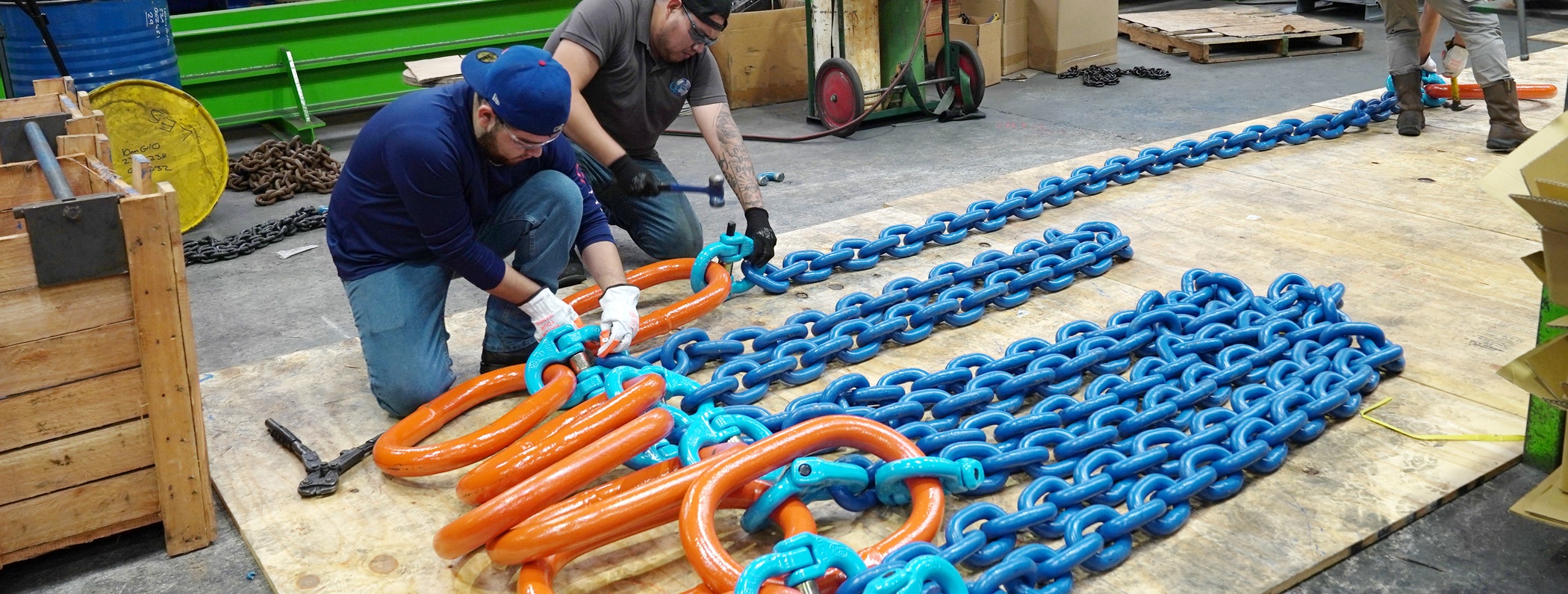
- Any rigging equipment or hardware should go through a diligent inspection by an expert. This will help ensure that the equipment is safe enough to be used. Also, the equipment that is used for handling the material must go through a proper inspection before every shift of its use.
- It should be a mandatory policy to use only those rigging equipment that are in sound condition. Any single potential default or malfunction should not be ignored or treated as non-dangerous.
- Any defective hardware or equipment should be prohibited from use. In most cases, it is advisable to get it repaired, if possible. In case it cannot be repaired, then it should be discarded. This should be done because if it is kept at the site, there is a chance that other workers who are not aware of its malfunction may use it and be exposed to potential hazards.
- It is important to identify its safe working conditions and instructions. So before using the rigging equipment, ensure to know about the highest amount of weight that it can lift, types of hitches used, other identification marks, the right angle or length that it is based on, number of legs and other related information.
- All the employees should be kept away from the loads that are lifted or are descended at the desired location. So even in case there is any mishandling or mishap, the workers will not be hurt. One can also draw lines restricting entries or marks suggesting ‘do not enter’ for employees and any other member around the site.
- For ensuring long lasting durability of the rigging equipment and hardware, it is advisable to know the manufacturer’s instructions and recommendations on the ways to store and maintain the same. Also, regular servicing and inspection of the rigging equipment will help to ensure smooth functioning of the same.
-

 Holloway Chain Sling | 4-Leg (Grade 100) | 3'
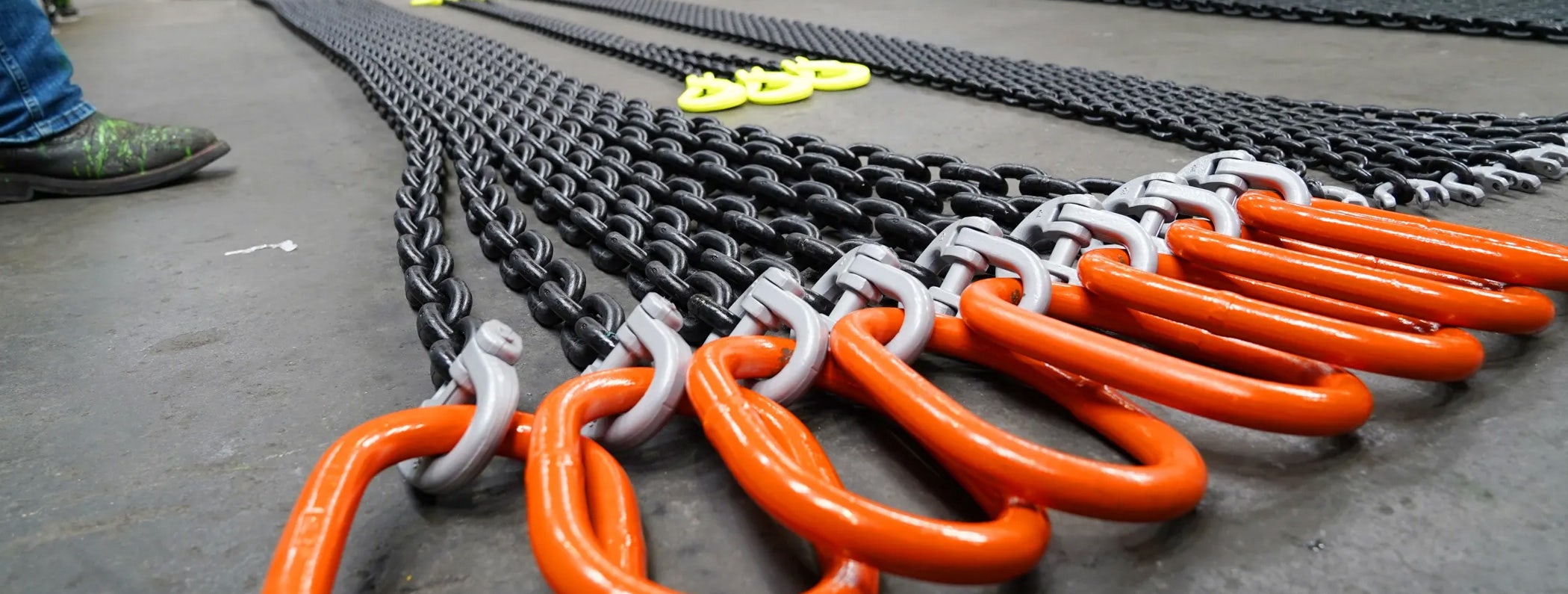
3-Foot Holloway Brand 4-Legs Chain Slings are manufactured in Houston, Texas USA using the highest quality components available. Go factory-direct! Our Grade 100 Chain Slings are protected with a tough black coating for superior rust protection and performance. They are certified to meet or exceed industry standards for overhead lifting operations and are proof-tested to twice their Working Load Limit (WLL) at our testing facility. Grade 100 components can lift up to 25% more than Grade 80 — use a smaller chain diameter to meet the same WLL. Each sling is guaranteed to conform to ASME standards and comes with a metal tag including mill certificate, proof test, conformance certifications, and MTR information. When you want the best quality and value, no one beats Holloway!
Fast shipping: in-stock slings ordered before 10am Central are usually shipped the same day.
Learn More -

 Crosby G-2130 Bolt Type Anchor Shackle - 3/16" - 1019464The 3/16" Crosby G2130 shackle is designed for heavy-duty work with permanent or long-term applications. The product's construction is corrosion-resistant and meant to accommodate pulling from all angles. Learn More$15.66
 -

 William Hackett WH-L4 Lever Chain Hoist – WLL 1.6 Tons | 033.160-10The William Hackett WH-L4 Lever Hoist is designed for heavy-duty lifting tasks, offering a working load limit of 1.6 tonnes, and 10' length. Built to meet international standards, this lever hoist features twin pawl safety, robust hook closures, and superior load chain durability. Its high-performance capabilities make it ideal for various industrial applications, including fleeting and cross hauling. Learn More$350.00
 -

 Holloway BOA-C Tree Saver Strap With Eye and Body Cordura Protection | WLL 6,200 Lbs. | 3'Holloway BOA-C Tree Saver Strap with Eye and Body Cordura Protection is designed for demanding recovery and rigging tasks. With a WLL of 6200 lbs, this 3' strap is ideal for vehicle recovery, securing loads, and rigging operations in various industries. Learn More$17.23
 -

 Holloway 2" Green Double J Hook Tie Down Ratchet Strap | WLL: 4,000 Lbs.Our 2" ratchet strap is featured with wire double J hooks on each end of the strap to easily hook into different types of tie down points. Learn MoreAs low as $23.00