Off-Road Adventure Essentials: Discover Premium Tree Saver Straps

Off-road adventures are an amazing experience filled with unforgettable moments. They’re fun, aren’t they?
But while exploring, you must prioritize safety and responsible off-roading practices. That's where tree saver straps come in — a must-have for any off-road enthusiast.
So, why do you need tree saver winch straps? For starters, they are essential tools that safeguard your vehicle. They also preserve the natural surroundings you traverse. Whether you're a seasoned off-road enthusiast or a novice adventurer, you need them. Keep reading this guide to learn why tree saver straps are important for your off-road experience.
What Are Tree Saver Straps?
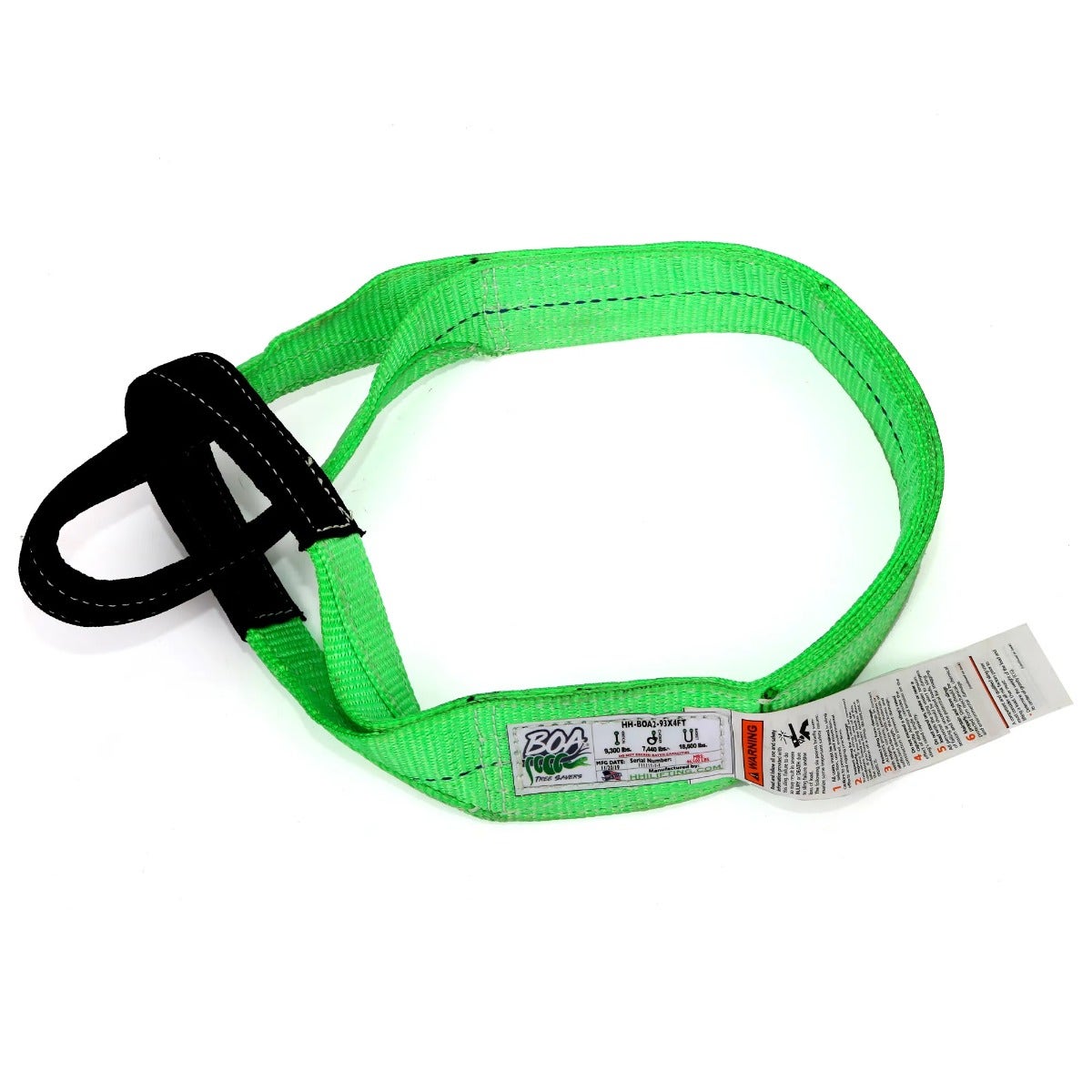
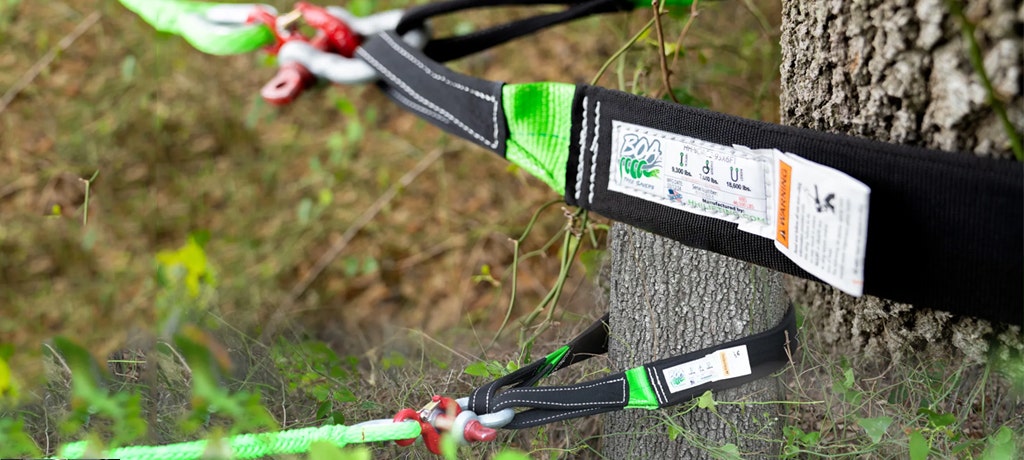
Tree saver straps, also known as tree trunk protectors or tow straps, are specialized pieces of equipment to secure trees. The definition is in the name!
In winching, trees are often the anchor points. Winching is the process of pulling a vehicle out of a sticky situation or obstacles such as mud, sand, or water.
If you use a winch line or a cable for this process, the material can cut into the tree bark, causing damage. Tree saver winch straps are specifically designed to prevent damage to trees during winching operations. They offer a secure anchor point without harming the tree.
How Does a Tree Saver Strap Differ From Recovery Straps
Often, the terms "tree saver strap" and "recovery strap" are used interchangeably. But there's a difference between the two.
Tree saver straps rig a winching rope to the boulder or tree. Since they are non-elastic, they don't stretch when under tension, maintaining a constant pull on the anchor point.
Most importantly, the tree saver strap goes around the trunk of a tree. On the other hand, recovery straps are elastic, making them ideal for use when towing a vehicle or pulling it out of a ditch.
They are also much wider and flatter and are designed to be used around the frame or bumper of a vehicle.
Why Are Tree Saver Winch Straps Important For Off-Roading?
The primary reason tree saver winch straps are essential for off-roading is to reduce environmental damage. A study published in Nature Journal reported that there are 3.04 trillion trees in the world. Shockingly, 15.3 billion trees are lost annually due to human activities like logging and urban development. In the past 12,000 years, we have chopped down 46% of the world's trees.
The more damage we inflict on our environment, the worse this world will get for our sustenance. Off-roading can be incredibly destructive to natural habitats and ecosystems. The weight of a vehicle and its tires can damage vegetation and soil.
Tree straps can be one of the many steps you can take to minimize the impact of off-roading on the environment. These straps allow you to winch your vehicle without causing damage to nearby trees or rocks.
Premium Tree Saver Winch Straps For Your Off-Roading Needs
Off-roading enthusiasts know that only the best straps should be used for their adventures. That's why many choose to invest in premium straps that offer the following benefits:
- High Breaking Strength: The breaking strength or load capacity of a strap is the maximum weight it can support before breaking. Premium straps are usually made with high-quality materials that offer a higher breaking strength, making them more durable and reliable for off-roading.
- Durability: The tree saver strap you buy should be highly durable. Otherwise, it may not be able to withstand the weight and pressure of your vehicle during a recovery.
- Length: It's better if you get a longer tree saver strap. It will give you more options when it comes to attaching the strap to an anchor point.
- Resistance to Abrasion: Premium straps often feature materials that are resistant to abrasion. Such resistance allows you to manage rough terrain. A strap with high abrasion resistance will maintain its integrity over time, reducing the risk of damage during use.
- UV Resistance: Exposure to sunlight can degrade the quality of materials over time, leading to eventual failure. Premium tree straps often incorporate UV-resistant materials.
Keeping these factors in mind, you can opt for the Holloway BOA-C Tree Saver Strap (WLL 6,200 lbs). It is made of durable, heavy-duty material. Plus, it has a Cordura cover to withstand heavy loads without getting damaged. Some ideas use cases of this tree saver strap are:
- Landscaping
- Off-road industries
- Forestry
It has a WLL (working load limit) of 6,200 lbs, which means it can hold a vehicle that weighs up to 6,200 lbs. The tree saver strap is available in lengths ranging from 3' to 20'.
If you have a larger vehicle, the Holloway BOA-C Tree Saver Strap with a WLL of 11,000 lbs will be better. Similarly, the Holloway BOA-C Tree Saver Strap with a WLL of 9,300 lbs is a mid-range option that can cater to different vehicle weights.
How to Use a Tree Saver Strap
Using a tree saver strap is simple and straightforward. Here's how to do it:
Step 1: Choose the Right Tree
Make sure the tree is large and stable. It will provide the best anchor point.
The larger the tree, the stronger and more reliable it will be as an anchor point. Avoid using small or young trees. They may not have the strength to withstand the force exerted by your vehicle during recovery.
Also, choose a tree that appears healthy and free from disease or decay. A diseased or weakened tree is likely to fail under stress, posing a safety hazard during recovery operations.
Step 2: Tie the Strap to the Tree
Wrap the strap around the lower part of the tree. It should be as low to the ground as possible to avoid damaging the tree.
Step 3: Attach the Strap Hook to the Tow Point
Attach the hook of the strap to a secure tow point on your vehicle. It can be the front or rear tow hooks, frame-mounted recovery points, or a hitch receiver.
Tighten the strap by pulling on the free end. You're all set.
Other Ways to Use Tree Saver Winch Straps
There are other ways to use tree saver straps besides off-road recoveries. These include:
- Tree Saver Straps Hammock: If you're camping and need to set up a hammock, you can use a tree saver strap to create an anchor point around the trees.
- Boat Winching: A tree saver strap can also winch a boat onto a trailer.
- Towing: A tree saver strap can help tow the vehicle safely in case of vehicle breakdown.
Takeaway
We've established three important things: One, tree saver winch straps are must-haves for eco-conscious off-roaders. Two, Holloway Houston straps are some of the most premium products on the market. As for the third, you can use these straps in a couple of ways, not just for off-road recoveries. Keep these in mind, and enjoy your next off-road adventure!
-

 Holloway BOA-C Tree Saver Strap With Eye and Body Cordura Protection | WLL 6,200 Lbs. | 3'Holloway BOA-C Tree Saver Strap with Eye and Body Cordura Protection is designed for demanding recovery and rigging tasks. With a WLL of 6200 lbs, this 3' strap is ideal for vehicle recovery, securing loads, and rigging operations in various industries. Learn More$17.23
 -
Holloway BOA-C Tree Saver Strap With Eye and Body Cordura Protection | WLL 6,200 Lbs. | 6'Holloway BOA-C Tree Saver Strap with Eye and Body Cordura Protection is designed for demanding recovery and rigging tasks. With a WLL of 6200 lbs, this 6' strap is ideal for vehicle recovery, securing loads, and rigging operations in various industries. Learn More$25.32
-

 HHIppo Link Soft Shackle 3/8" x 10" WLL: 8,700 Lbs. | MBS: 43,500 Lbs. | HHI GreenThe HHIppo Link Soft Shackle 3/8" x 10" by Holloway provides a lightweight, non-metal solution for secure rigging in rugged environments. Supporting up to 8,700 Lbs., it’s a reliable choice for off-road recovery, towing, and industrial lifting. Available in HHI Green, this shackle is designed for flexibility and corrosion resistance in challenging applications. Learn More$68.00
 -

 HHIppo Link Soft Shackle 3/8" x 10" WLL: 8,700 Lbs. | MBS: 43,500 Lbs. | Baby BlueThe HHIppo Link Soft Shackle 3/8" x 10" by Holloway provides a lightweight, non-metal solution for secure rigging in rugged environments. Supporting up to 8,700 Lbs., it’s a reliable choice for off-road recovery, towing, and industrial lifting. Available in Baby Blue, this shackle is designed for flexibility and corrosion resistance in challenging applications. Learn More$81.60
 -

 Holloway Synthetic Winch Line 3/16" x 50' | 5,500 MBLMake your lifting tasks easier with Holloway Synthetic Winch Lines! Designed with a 3/16" diameter and a 5,500 MBL, this 50ft rope effortlessly handles different loads. Its lightweight and compact nature make it 75% easier to handle than steel. The no-hook design enhances versatility, making it ideal for ATVs, UTVs, trailers, and more! Learn More$98.15