My Cart
0
You have no items in your shopping cart.

Wire rope clamps are an important piece of rigging hardware and play a crucial role in any rigging activity. When a wire rope has been looped back to form an eye, there is always a bit of extra wire rope left, a clamp serves to secure the loose end of the wire rope. These are critical for safe use of a wire rope and typically at least two or three clamps are needed to secure the ends of the wire rope.
These are 4 considerations to keep in mind, to use these pieces of rigging equipment in the correct manner:
For any and every rigging equipment, including wire rope clamps, you’ll need to follow manufacturer’s specifications. If a manufacturer mentions the ideal number of clamps/wire rope, you mustn’t go below the amount mentioned. Also, you must follow the installation techniques followed by the manufacturer to ensure they are correctly installed. Do not forget to install the clamp using a torque wrench so that the clamp is tightened to the correct torque.
Installing these clamps is an important rigging activity. So, it needs to be accomplished by experts. Giving this duty to inexperienced hands might lead to the clamps being installed incorrectly and tightened without taking the ideal torque in consideration. This can lead to some disastrous consequences when the rigging activity is underway, which in turn can compromise the safety of rigging personnel. You don’t want that to happen.
Before these clamps are used, they need to be inspected by a competent authority. This person must ensure that all the markings on the clamp are legible and it is not damaged in any way or form. This piece of rigging hardware is susceptible to nicks, gouges and cracks, and if a clamp suffers from such problems, it shouldn’t be used. Also, the tendency to reshape a clamp just to repair damage needs to be avoided. This can impact the performance of the rope leading to accidents.
Torque is everything when it comes to the correct use of wire rope clamps. You must check whether the nuts of the wire rope clamps meet the prescribed limits of the torque after assembling them, and more importantly, before they are pressed into service. The prescribed torque needs to be checked again after applying the load, and in case of variation it needs to be corrected immediately. Also you will need to tighten the nuts periodically, to ensure the safety of your application.
All rigging equipment have their own individual requirements when it comes to getting the most out of them and ensuring they are used in the safest manner possible. You’ll need to make sure you are aware about all that goes into ensuring the safe performance of these clamps so that you’re able to optimize their use.
Shop Online Wire Rope


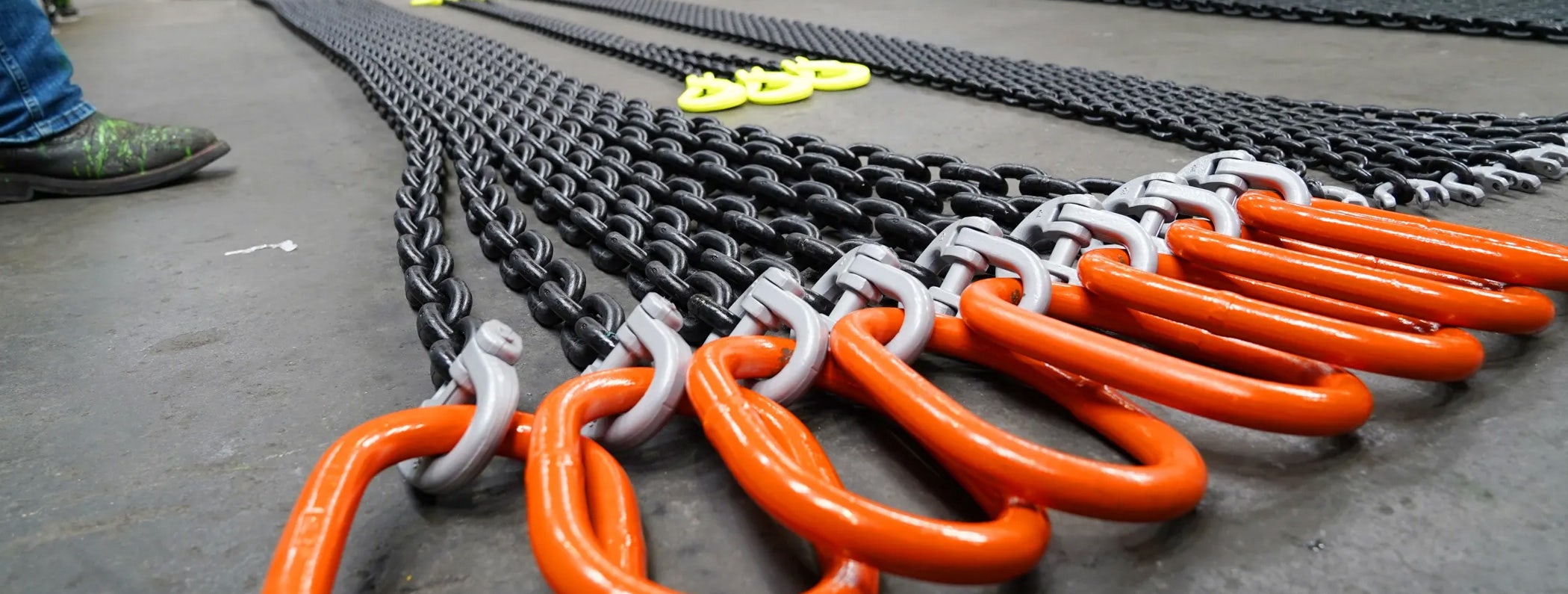
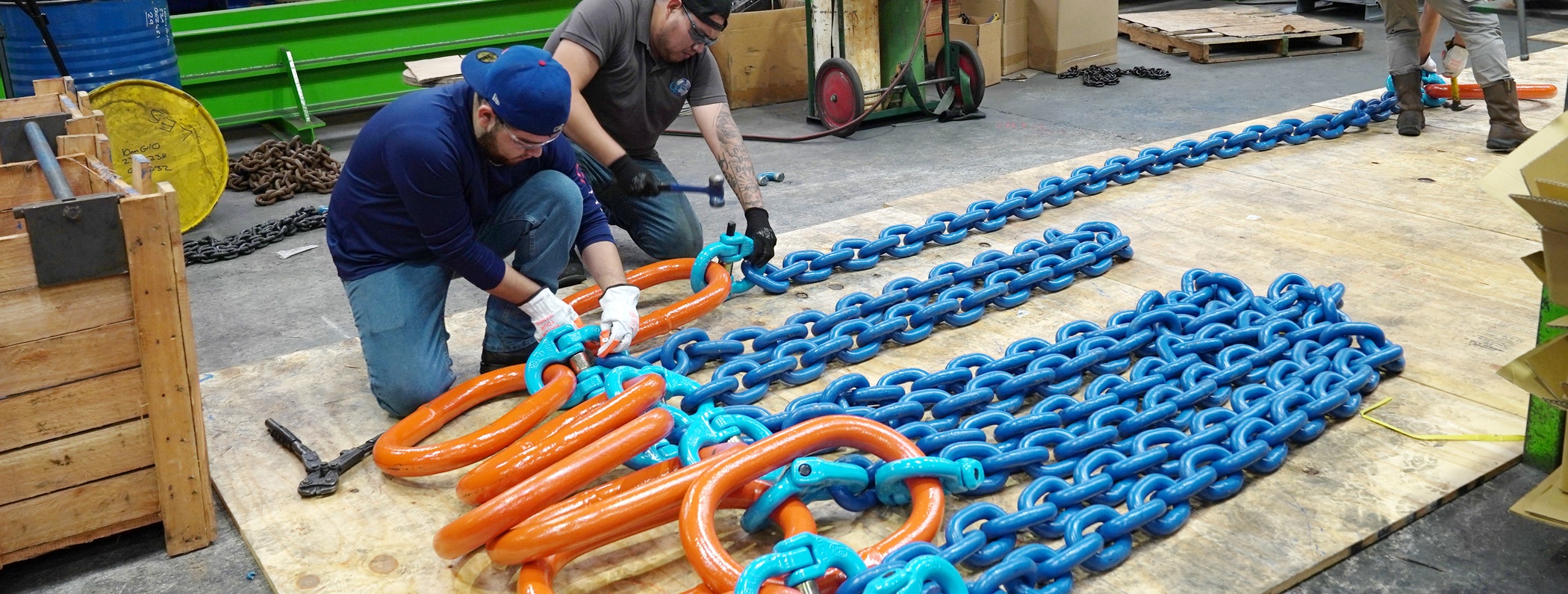
3-Foot Holloway Brand 4-Legs Chain Slings are manufactured in Houston, Texas USA using the highest quality components available. Go factory-direct! Our Grade 100 Chain Slings are protected with a tough black coating for superior rust protection and performance. They are certified to meet or exceed industry standards for overhead lifting operations and are proof-tested to twice their Working Load Limit (WLL) at our testing facility. Grade 100 components can lift up to 25% more than Grade 80 — use a smaller chain diameter to meet the same WLL. Each sling is guaranteed to conform to ASME standards and comes with a metal tag including mill certificate, proof test, conformance certifications, and MTR information. When you want the best quality and value, no one beats Holloway!
Fast shipping: in-stock slings ordered before 10am Central are usually shipped the same day.
Learn More