Construction Business Safe & Sound for Employees

One of the industries that highly contribute to the society is the construction industry. It does so by fulfilling the very basic need of people of getting a shelter for themselves. However, there are a lot of rigors that the construction workers need to go through to provide the world with those marvelous edifices. There are numerous fatal accidents and deaths reported for the construction workers. The data for the same can be viewed on the website of U.S. Department of Labor’s Occupational Safety & Health Administration.
OSHA gives detailed information about the various hazards that exist in the construction industry and how it can be prevented. Here is a brief description of safety measures that can be helpful:
Safety measures to be taken for falls, trips and slips at work
Few of the major causes of fatal accidents and deaths in the construction industry are slips, trips and falls. This generally happens as the site is not safeguarded against the potential threat of accident that could have been avoided. Earlier, 20% of the all the non-working days of workers were due to falls on floors and ground surfaces, which now surged by six percent as per the U.S. Bureau of Labor Statistics. Also, many employers had to incur a direct cost of over $6 billion as Workers’ Compensation Costs in 2007 as per Liberty Mutual Workplace Safety Index. The unfortunate part is that the index for the number of falls listed from 1998 to 2007 surged by more than 36%.
Thus, it will not be wise to underestimate the potential accidents that these falls could cause. One of the things to do is to place surfaces with high traction that can prevent any falls, slips or trips. Also, one must educate and train the employees to be careful and avoid activities that have potential danger of causing accidents. Companies can provide them with highly durable and anti-slip footwear.
Lifting Rigging Equipment Situations
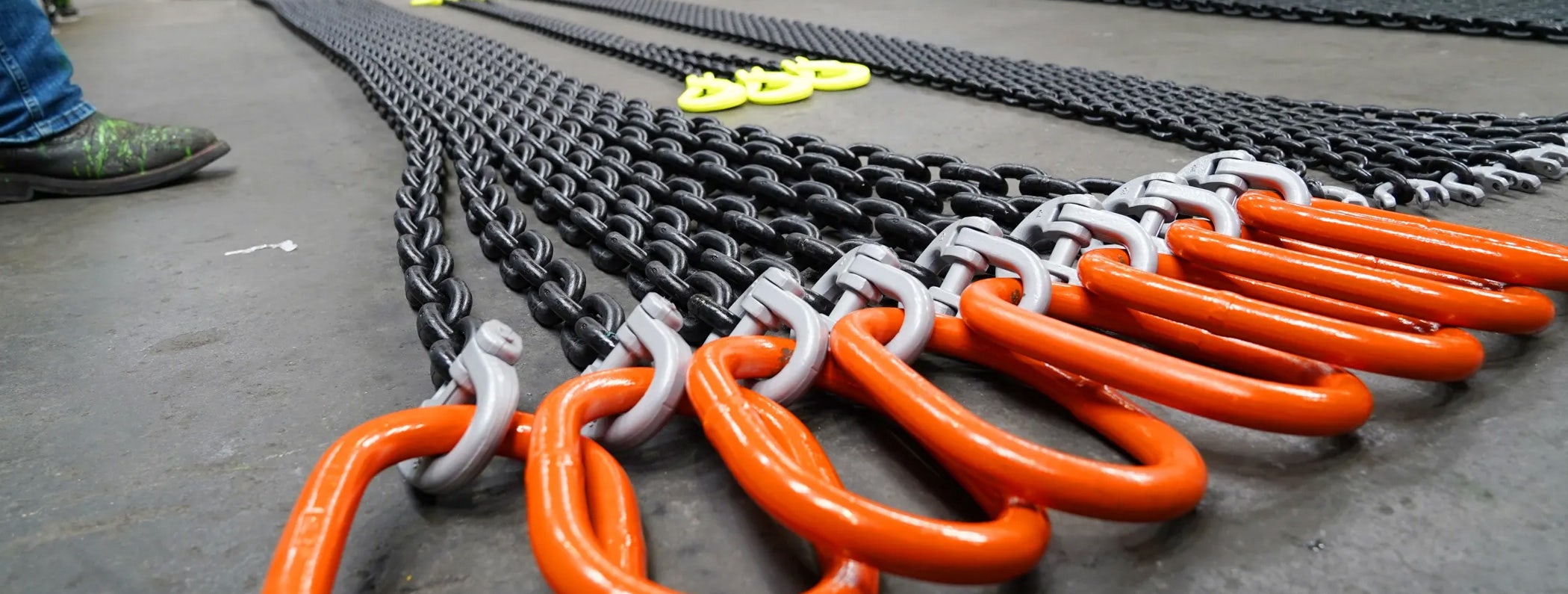
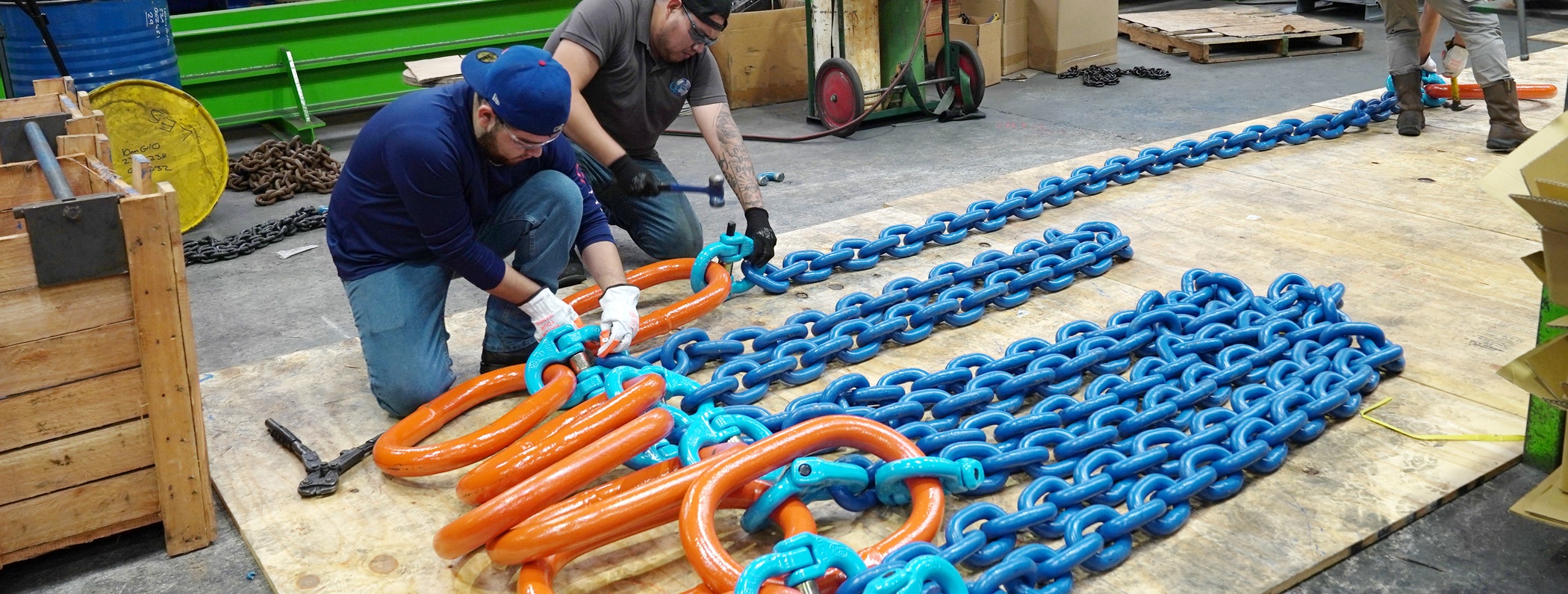
Lifting rigging process comprises of elevating heavy and large objects from the ground level to the desired level of work space in a construction project. Since, the objects are large and heavy, the risk involved is high too. It is very important that rigging is done by an expert or an experienced personnel as these people will have a better judgment on moving the objects with precision.
There are various things that you need to consider when you do any kind of rigging or lifting. The first and the foremost thing to do is to identify the weight of the object that you need to lift. Once you do that, you need to know whether the sling has the capacity to lift that amount of weight. It is advisable to not lift an object that seems to be overweight even by a few numbers.
Conclusion
These are two major situations that highly contribute to the major injuries in the construction industry. However few others that need to be taken care of are loading and unloading heavy equipment, operation on slopes, and others. It is very crucial that the construction company takes due care in training & educating its workers on these hazards. Also, taking insurance of the workers will be very helpful to attend to any of their medical needs, in case any such accidents occur.
Shop Online-

 Crosby G-2130 Bolt Type Anchor Shackle - 1/4" - 1019466The 1/4" Crosby G2130 shackle is designed for heavy-duty work with permanent or long-term applications. The product's construction is corrosion-resistant and meant to accommodate pulling from all angles. Learn More$16.71
 -

 Crosby® G-429 Galvanized Fist Grip Wire Rope Clip | 3/16" | 1010471The 3/16" Crosby G-429 Galvanized Fist Grip Wire Rope Clip offers corrosion resistance and superior strength, meeting both Federal and ASME specifications. Its user-friendly design includes forged steel saddles and efficient installation features, making it ideal for secure and reliable wire rope connections. Learn More$18.79
 -

 Crosby® A-342 Forged Alloy Master Links - 1/2" | 7,400 lbs WLL | 1014266The 1/2" Crosby A-342 Forged Alloy Master Links are reliable and versatile tools for connecting hooks, shackles, and slings in lifting operations. Made from strong alloy steel, these master links have a 5x safety factor and built-in traceability for complete confidence in their performance. Learn More$56.20
 -

 YOKE G80 Weld-on Point with Spring - WLL 2,200 lbs, #8-057-1TThe YOKE G80 Weld-on Point with Spring provides a robust lifting solution with a working load limit of 2,200 lbs (1.00 tons). This point pivots through 180°, enhancing versatility in lifting applications. Learn More$26.61
 -

 Terrier 0.5 TTL Specialty Clamp | SKU #800550The Terrier 0.5 TTL Specialty Clamp is designed for the horizontal lifting and transportation of steel plates and other non-deflecting materials. With its high lifting capacity, compact design, and lightweight body, it is perfect for handling large materials like steel in manufacturing, construction, and industrial settings. Learn More$664.68